
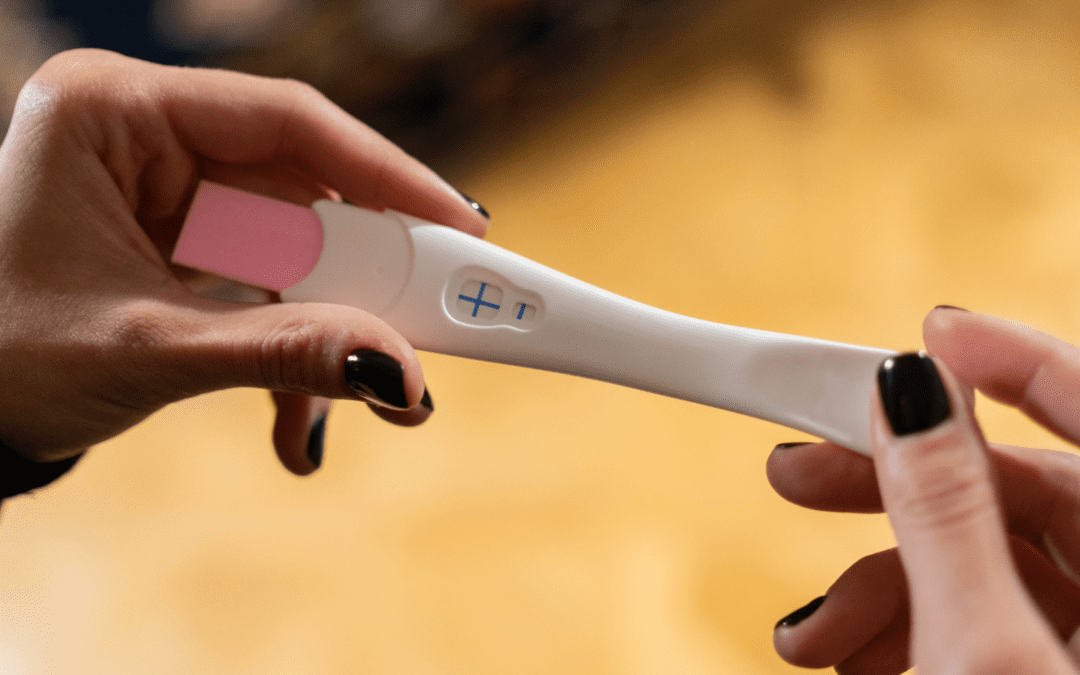
A chemical pregnancy can leave you with many questions and emotions. What causes a chemical pregnancy? Did I miss the signs and symptoms? Can I get pregnant again after experiencing one?
You don’t have to navigate these thoughts and feelings alone. HerChoice is here to answer your questions and provide the care you deserve. Keep reading to learn more about chemical pregnancy.
What is a Chemical Pregnancy?
A chemical pregnancy is an early miscarriage that happens within the first five weeks of pregnancy.
During this time, an embryo forms and may implant into the uterine lining, but it stops developing and is eventually lost. Because chemical pregnancies occur so early, many women don’t even realize they’ve happened.[1]
The term “chemical pregnancy” refers to the hormones in your body that trigger a positive pregnancy test. Within those first five weeks, the embryo prompts your body to produce human chorionic gonadotropin (hCG), a hormone signaling pregnancy. However, when the embryo stops growing, hCG levels drop, often leading to a negative test soon after.[1]
What Are the Symptoms of a Chemical Pregnancy?
A chemical pregnancy is usually first detected by a pregnancy test, but confirmation comes from tracking hCG levels or noticing that levels drop after a brief rise.[1] Still, there are some common signs to watch for, including[1]:
- A positive pregnancy test without typical early pregnancy symptoms
- A positive test followed by a negative result a few weeks later
- A positive test followed by the arrival of your period
- A period that arrives about a week later than expected
- An unusually heavy period with more intense cramps
What Causes a Chemical Pregnancy?
The exact cause of a chemical pregnancy isn’t clear. Experts believe it may stem from issues like abnormalities in the embryo’s DNA or genetic makeup.
In other cases, the embryo may struggle to implant properly in the uterus, halting its growth. As a result, hCG levels decline, and the next pregnancy test will be negative.[1]
How Common Are Chemical Pregnancies?
Chemical pregnancies are surprisingly common. Approximately 25% of pregnancies end in miscarriage before 20 weeks, with about 80% of those occurring very early, often before a pregnancy can be detected on ultrasound, including many chemical pregnancies.[1]
Many women experience a chemical pregnancy without even knowing it.[1] Certain factors may increase your likelihood of a chemical pregnancy, including[1]:
- Hormone levels that are too high or too low
- Structural differences in the uterus
- Medical conditions such as thyroid disorders, polycystic ovarian syndrome (PCOS), or diabetes
- Untreated infections, including some sexually transmitted infections (STIs)
- Being age 35 or older
Can You Get Pregnant After a Chemical Pregnancy?
Experiencing a chemical pregnancy doesn’t mean you can’t have a healthy pregnancy in the future. Many women who have had a chemical pregnancy go on to carry future pregnancies to term without complications.[1]
However, if you experience repeated chemical pregnancies, it may be worth consulting a fertility specialist.[1]
How Do I Cope with a Chemical Pregnancy?
After a chemical pregnancy, your emotions may vary widely. Some women feel relief if they weren’t ready for a child, while others view it as a profound loss and grieve deeply. No matter what you’re feeling, your experience is valid.
You’re not alone in this. If you need a safe space to process your emotions or get answers, reach out to HerChoice. Our compassionate client advocates are here to offer the support you need to find hope and healing.
Where Can I Find Free Pregnancy Services in Bowling Green, Ohio?
Think you might be pregnant? Don’t wait to get the care you deserve! HerChoice offers free pregnancy tests and ultrasounds to confirm your pregnancy in a safe, confidential setting.
Have questions or need to talk? We’re here for that too.
Call us at 419-354-4673 or schedule your appointment online today! All services are free and confidential.
Frequently Asked Questions
How is a chemical pregnancy different from a miscarriage?
A chemical pregnancy is a type of miscarriage. The main difference is timing: chemical pregnancies occur very early (before 5 weeks), while miscarriages occur later (before the 20th week).[1]
Both are pregnancy losses, but chemical pregnancies happen so early that many women experience them without realizing they were pregnant.
Can a chemical pregnancy be saved?
Unfortunately, a chemical pregnancy cannot be saved, as the embryo stops growing soon after it implants in the uterus. There’s nothing that can be done to prevent a chemical pregnancy once this happens.[1]
When should I see a doctor about chemical pregnancy?
You should consult your healthcare provider if you experience repeated chemical pregnancies, as this may indicate an underlying fertility issue that needs investigation. Also contact your doctor if you have concerns about your ability to conceive, want to discuss your risk factors, or need guidance on when to start trying to conceive again.
You should also reach out to a mental healthcare provider or someone you trust if you have emotional concerns or need support.
Please be aware that HerChoice does not provide or refer for abortion services.
Sources
1. Cleveland Clinic. (2024, August 14). Chemical Pregnancy: Causes, Symptoms & Treatment. https://my.clevelandclinic.org/health/diseases/22188-chemical-pregnancy